From drop off to perfecting pronunciation
A pronunciation game for kids had a problem. Children were starting it and not finishing. Research showed why. The experience inside was chaotic, confusing, and working against the very age group it was built for. As the sole UX designer on the project, I untangled that chaos and rebuilt the experience around how children actually play. Completion rate reached a hundred percent.
My Role
Sole UX Designer
Focus
Product Strategy, UX Design
Time
July 2021
Overview
The Byju’s Think and Learn English app was designed to help students under the age of 14 learn and practice English through a fun, gamified experience.
BOLO is the only game in the Byju's Think and Learn English mobile app that focuses on correcting the user's pronunciation.
Problem
BOLO game experienced a low completion rate of only 40%. Additionally, the reattempt rate steadily decreased over time, suggesting a declining engagement level among users. It had the lowest completion rate where users were dropping off before the total attempt time.
Research
Identifying usability issues and pain-points
Key Takeaways from usability tests conducted with 20+ students from grade 1 - grade 5
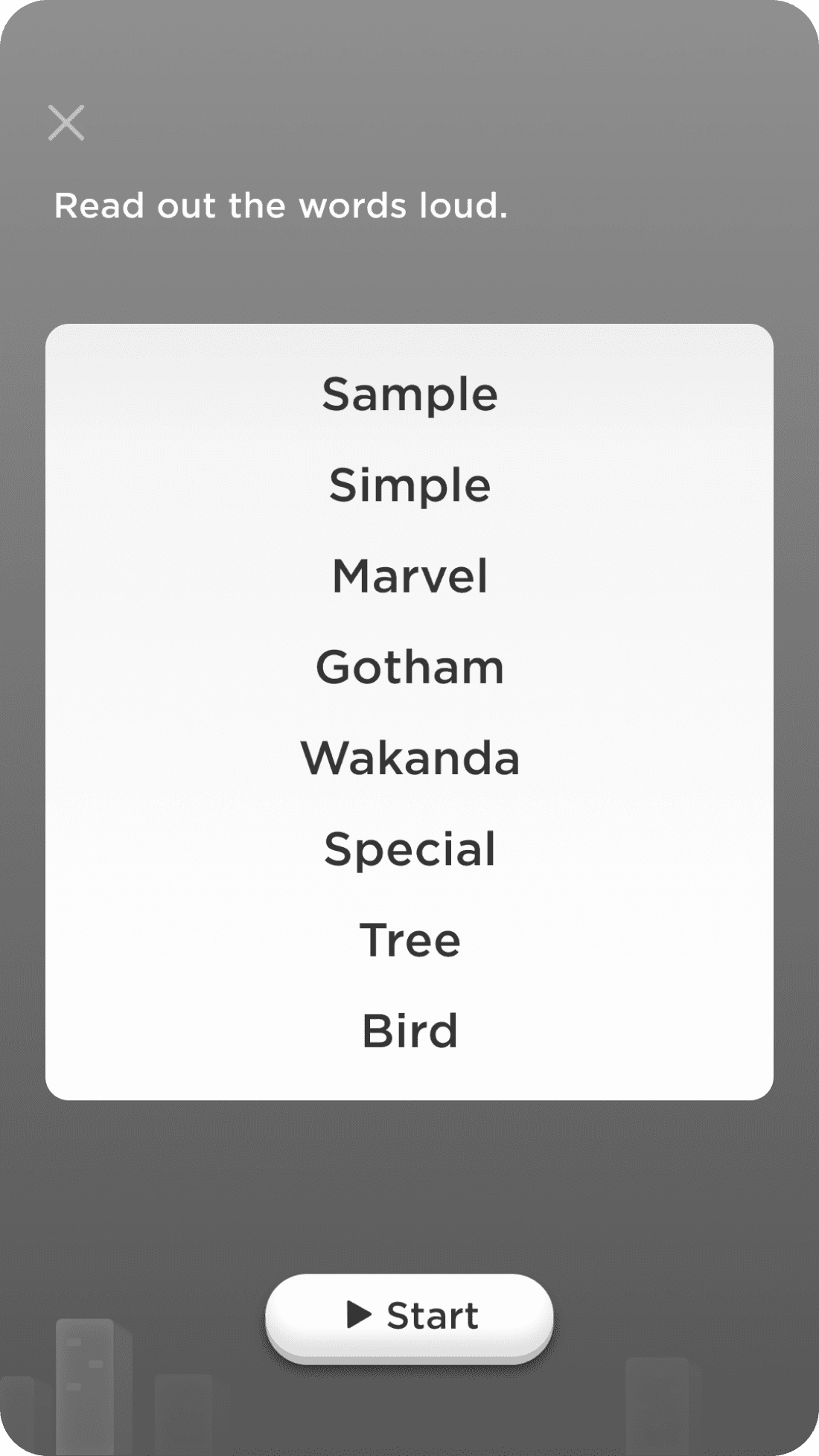
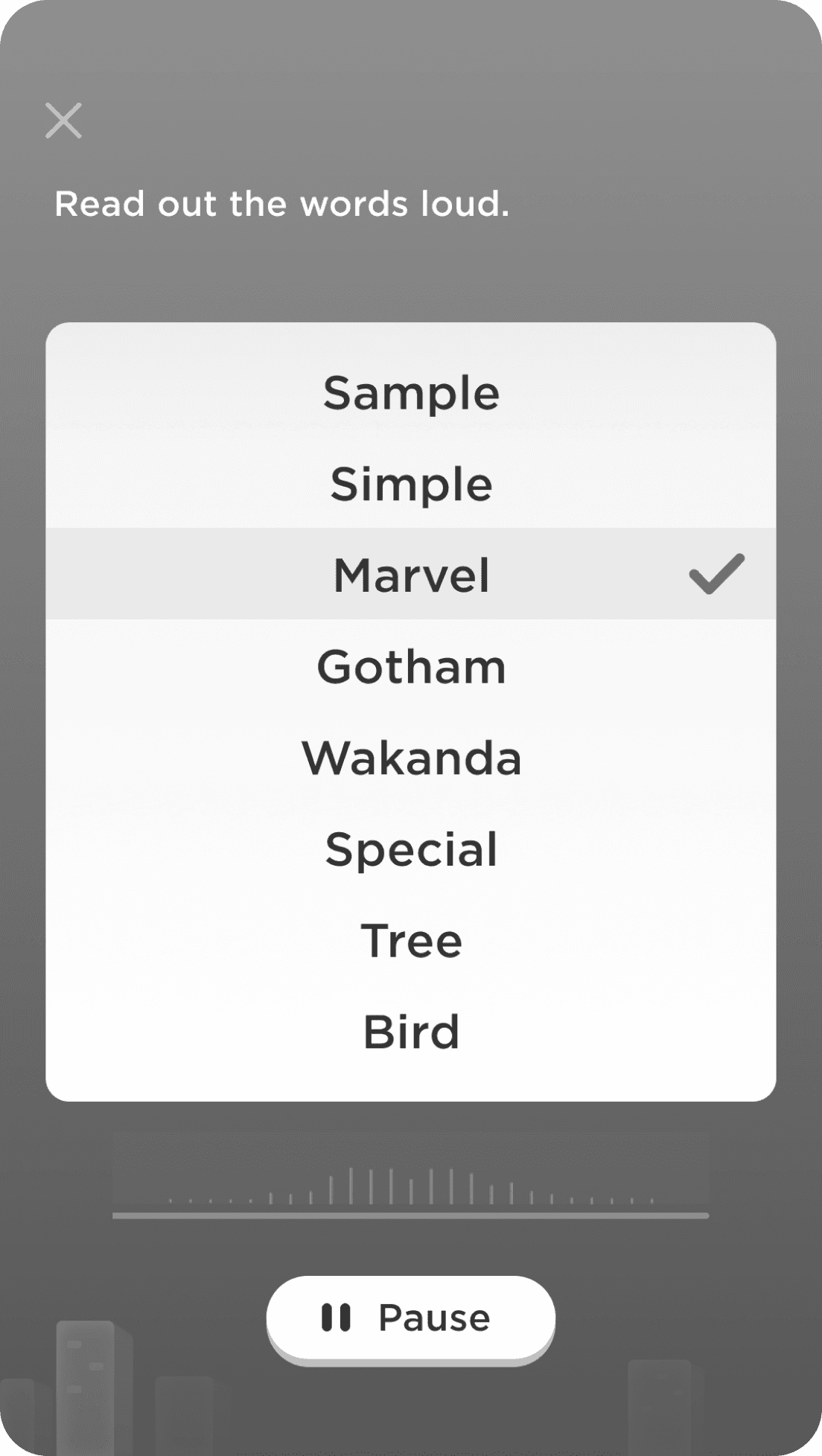
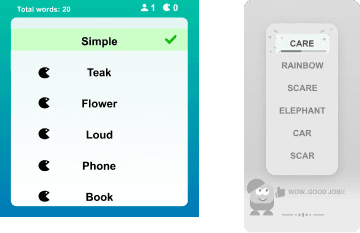
Overview of the previous design:
Words appear on the screen for users to pronounce, and once recognised, they are replaced with new words.
Lack of Intuitiveness and Synchronisation
The absence of real-time responses caused confusion for users.
The exhaustion of the unknown
The game lacks emphasis on the time stamp, an integral component.
Lack of personalised feedback after the game
The result screen in the game remains the same for every user, regardless of their performance.
Contributing factor to the negative experience
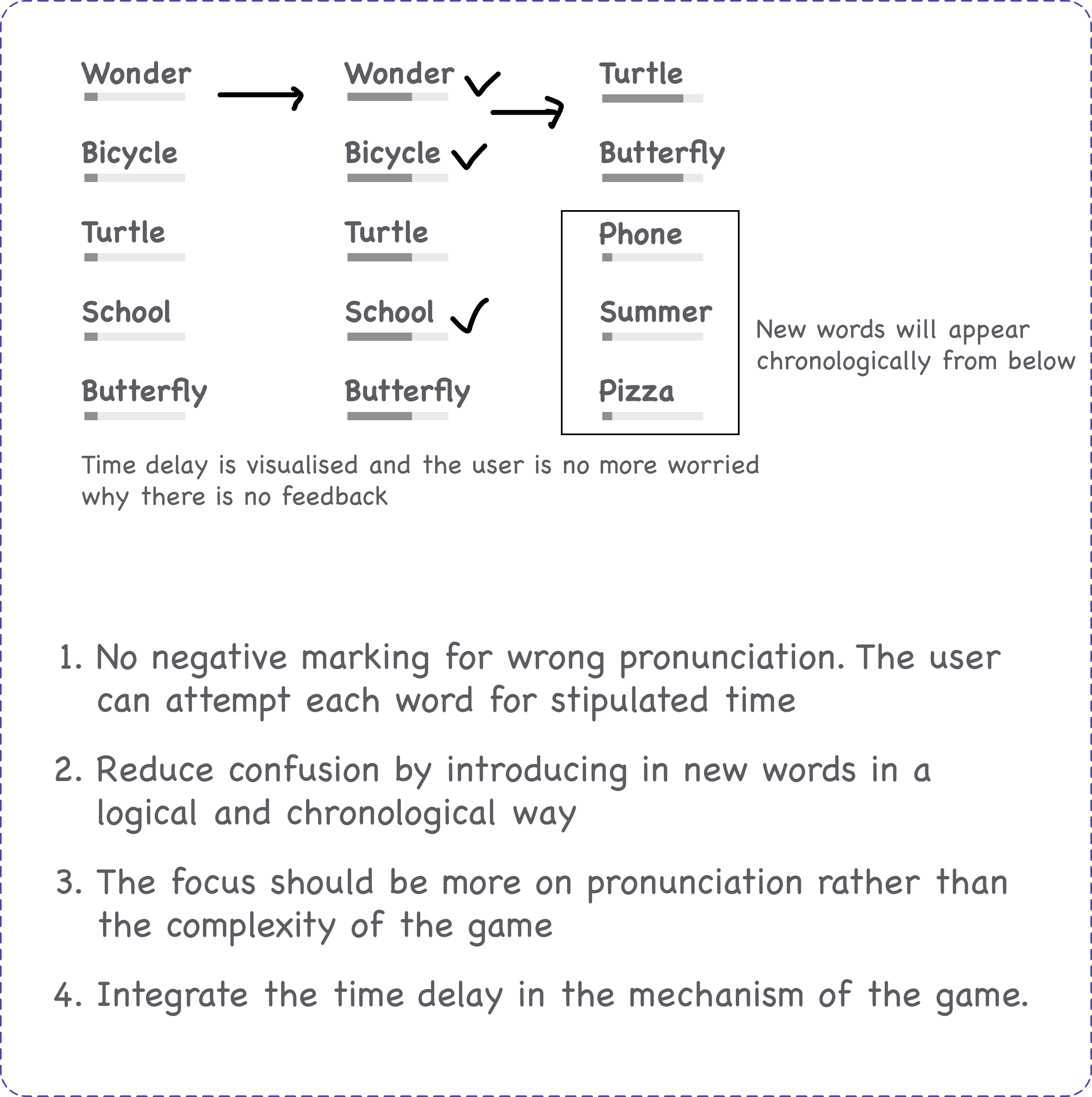
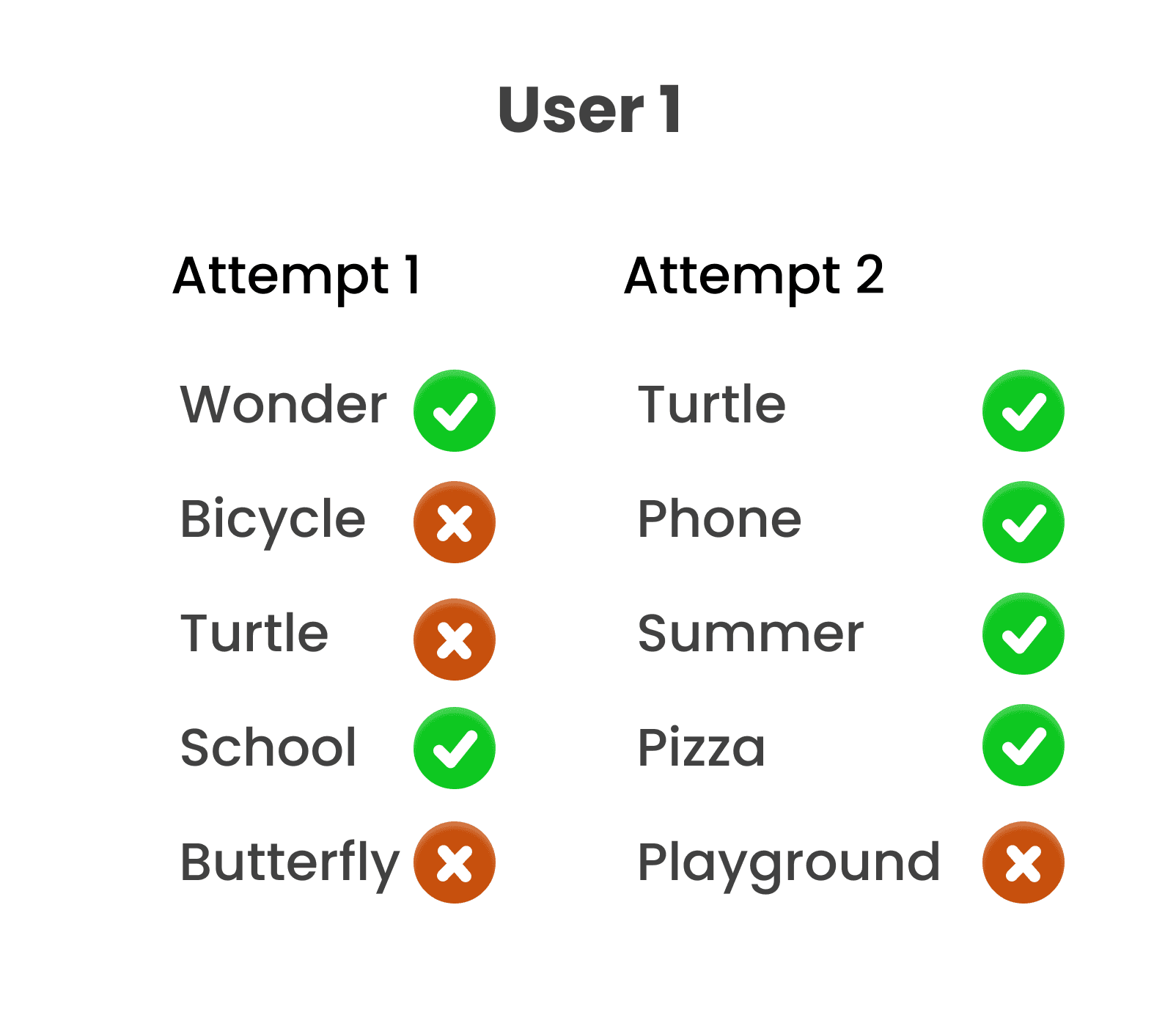
New words appear on the page with much delay in replacement of a correct word. This delay causes the appearance to look haphazard.
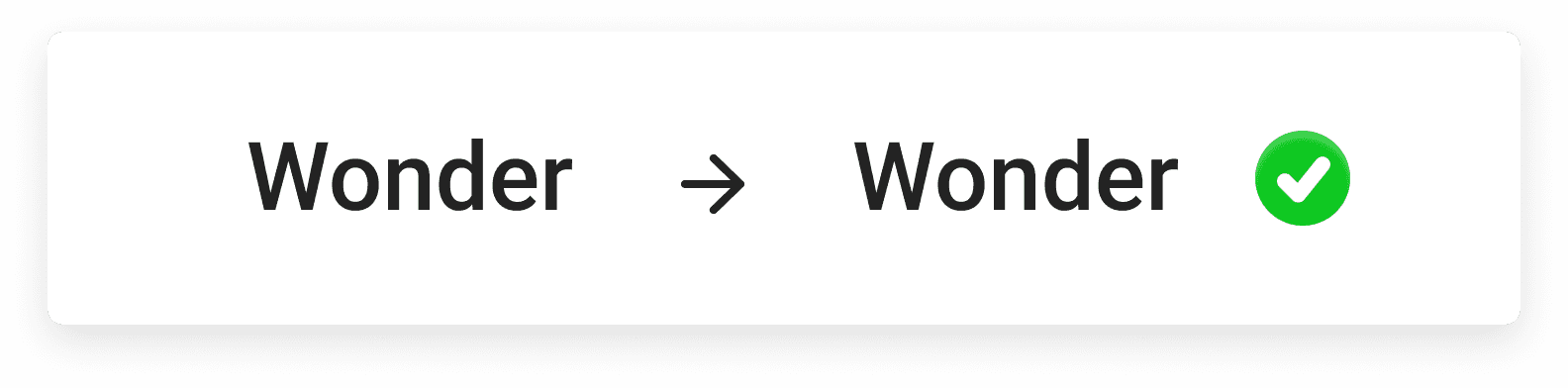
For “Wonder” to be recognised correctly, the algorithm will take 45-50 milliseconds to respond with feedback. In a time-sensitive game, this delay is a significant gap adding to user friction
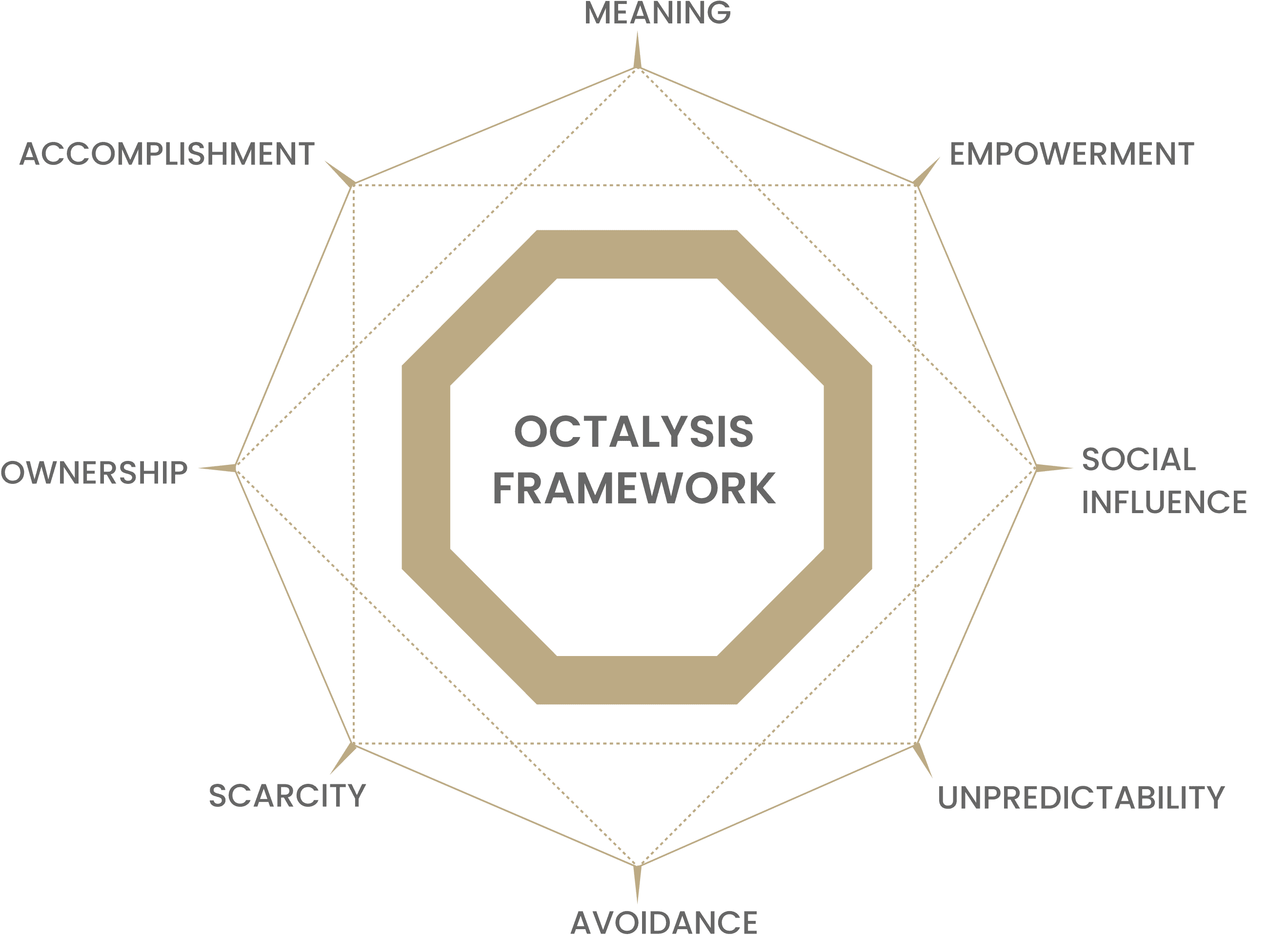
Aligning insights from heuristic analysis with octalysis framework
Meaning:
Introduce levels where the users only upgrade to complex words based on their performance
Empowerment & Scarcity:
Introduce a mechanism that utilises the time-delay as part of the games, adding to the feeling of time scarcity
Social influence:
Personalising the microcopy to match the performance of the user.
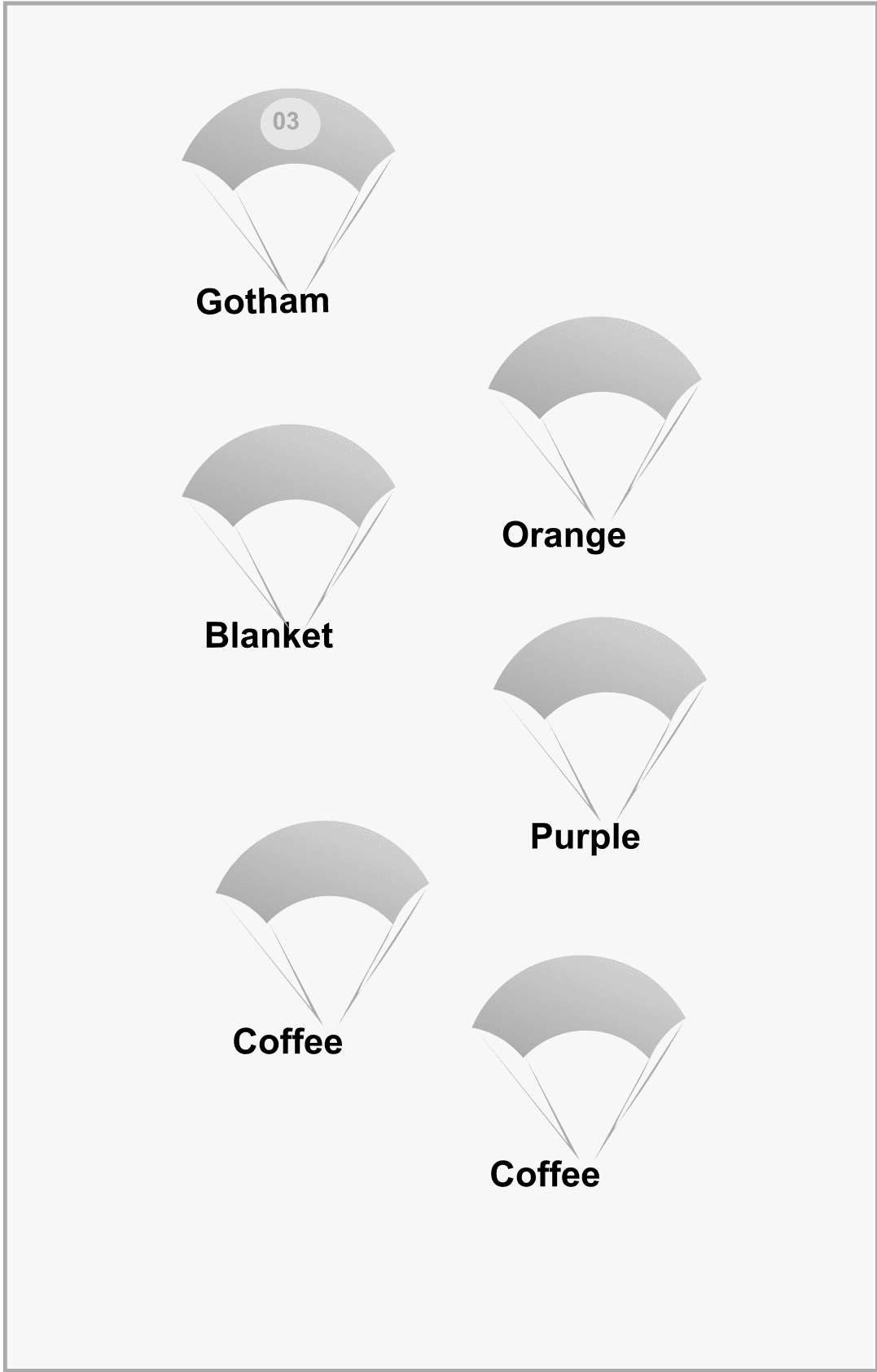
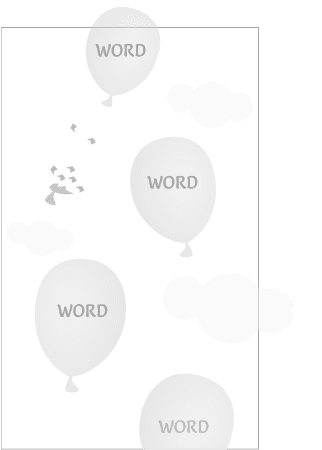
Visual component explorations
Design Iterations and Final Design Decisions
Design outcome
Progress through levels based on performance, creating a game for all players
Core Principle: MEANING
The game incorporates progressive growth, enabling beginners to build confidence in pronouncing words while experiencing a sense of achievement as they advance through levels.
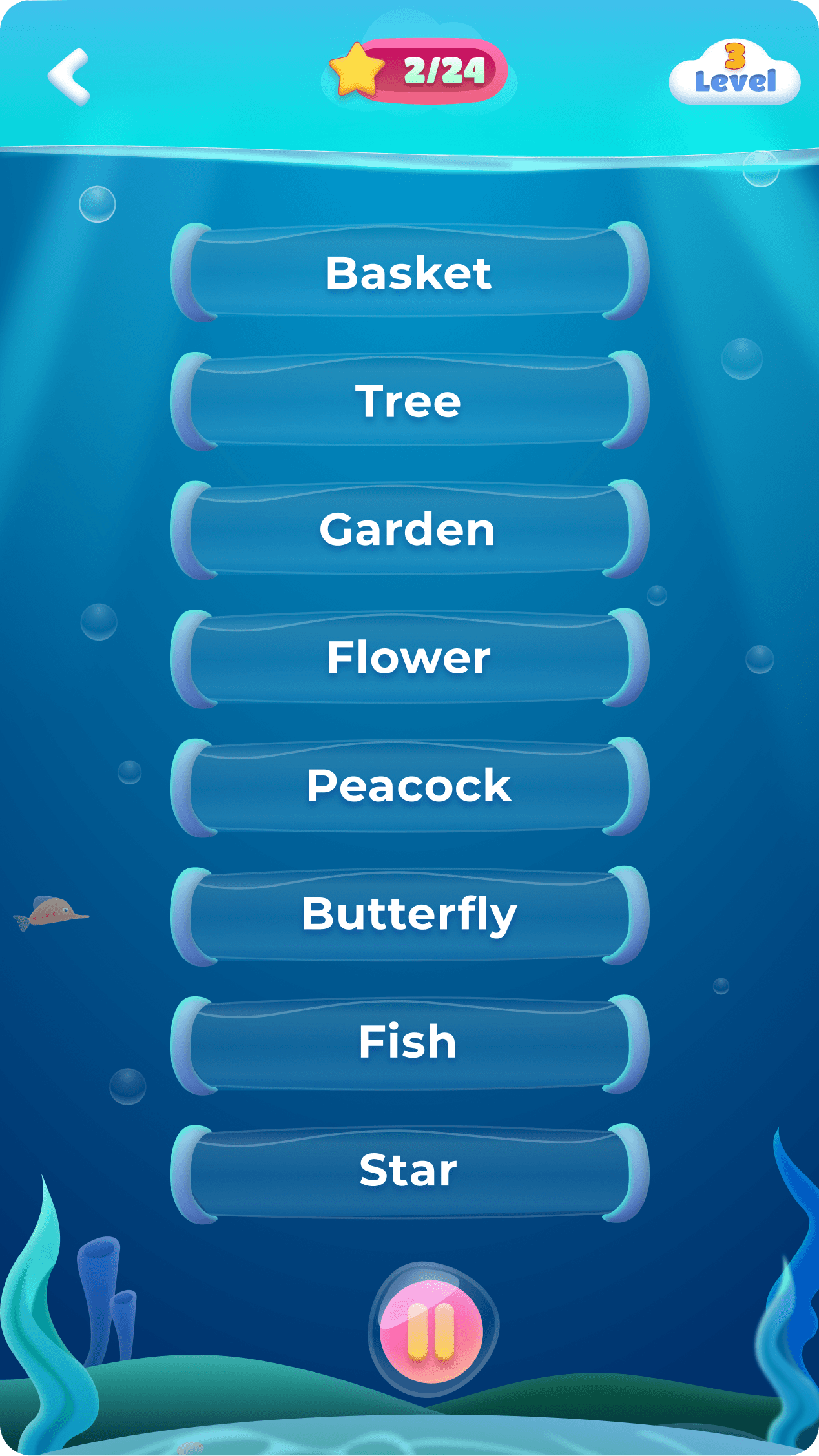
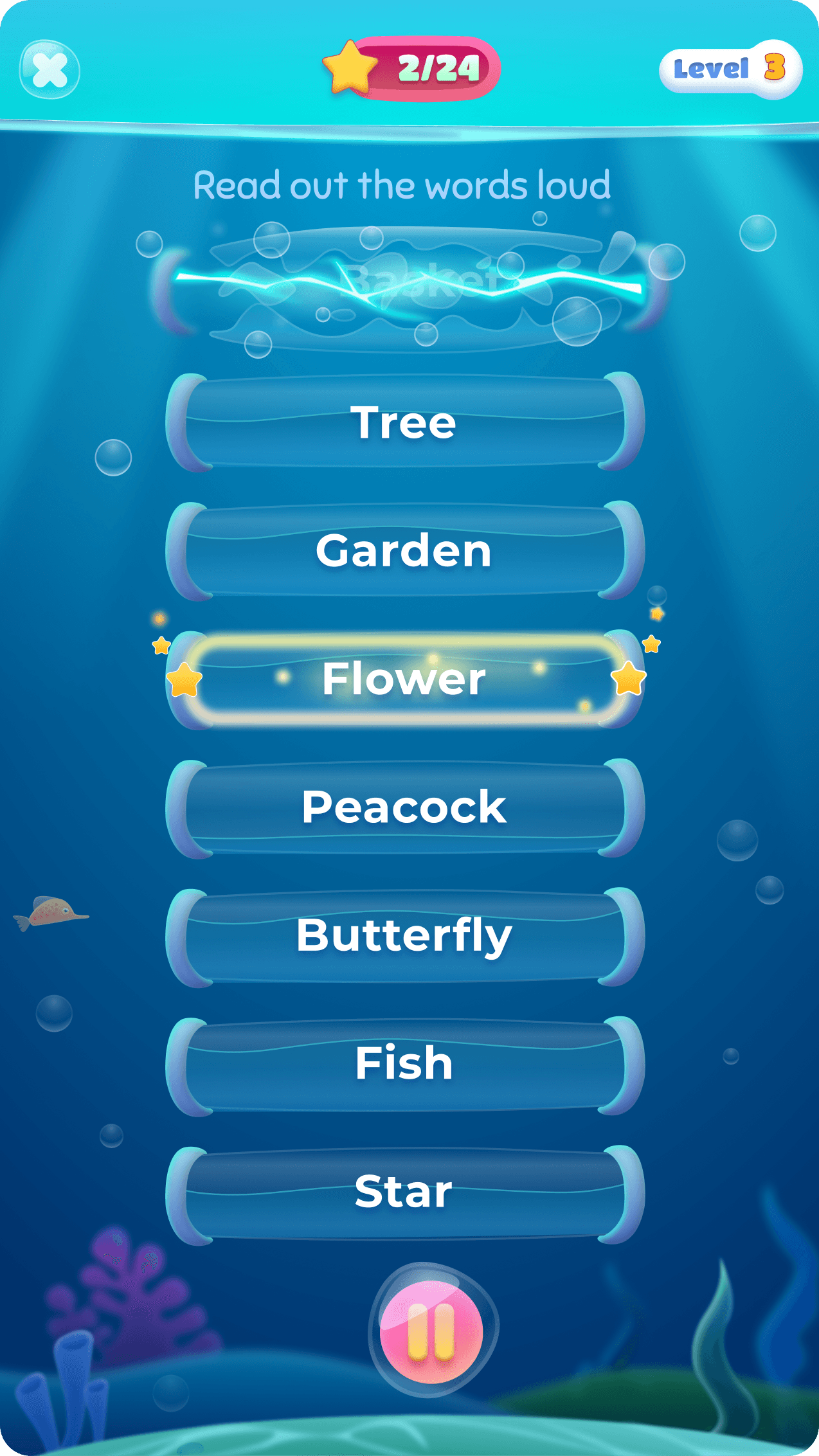
Converting the time delay into a visual timer to provide users with a clear sense of progress and anticipation
Core Principle: EMPOWERMENT & SCARCITY
In the interface redesign, I implemented a positive feedback mechanism that provides confirmation when a word is correctly recognised. In cases of incorrect pronunciation, the word remains on the screen for a brief period, allowing the user to make another attempt before disappearing.

Measuring sucess
In the post-UX development phase, I collaborated with the Visual designer and tech team to bring the final output to fruition. The updated design was seamlessly integrated into the app by the end of October 2021.